About This Race
“Leadership matters most when systems are under pressure. This race is about whether the government can still lead when things go wrong.”
The Hard Truth
The incumbent, Rep. Bobby Scott, 78, has served in Congress since January 1993. Meanwhile, I was born on October 24, 1993 — easy math. Yes, experience matters, and long service deserves respect. But longevity alone is not leadership. Where are the results? Where’s his record of passing meaningful legislation that accounts for 32 years in office?
After decades in office, too many quiet failures persist:
delayed veterans’ benefits
opaque healthcare and Medicare decisions
coercive law-enforcement encounters
housing instability driven by bureaucracy
financial systems that punish people when they’re most vulnerable
“Too often, when American families encounter government, they only find delay, confusing complexity, or silence. That’s not because the problems are unsolvable. It’s because Congress has too often stepped back from its responsibility to govern under pressure.”
Families increasingly encounter government only during moments of disruption—when clarity and fairness matter most, across:
Healthcare
Housing
Public safety
Immigration
Environmental Protection
Economic Security
The Harder Truth
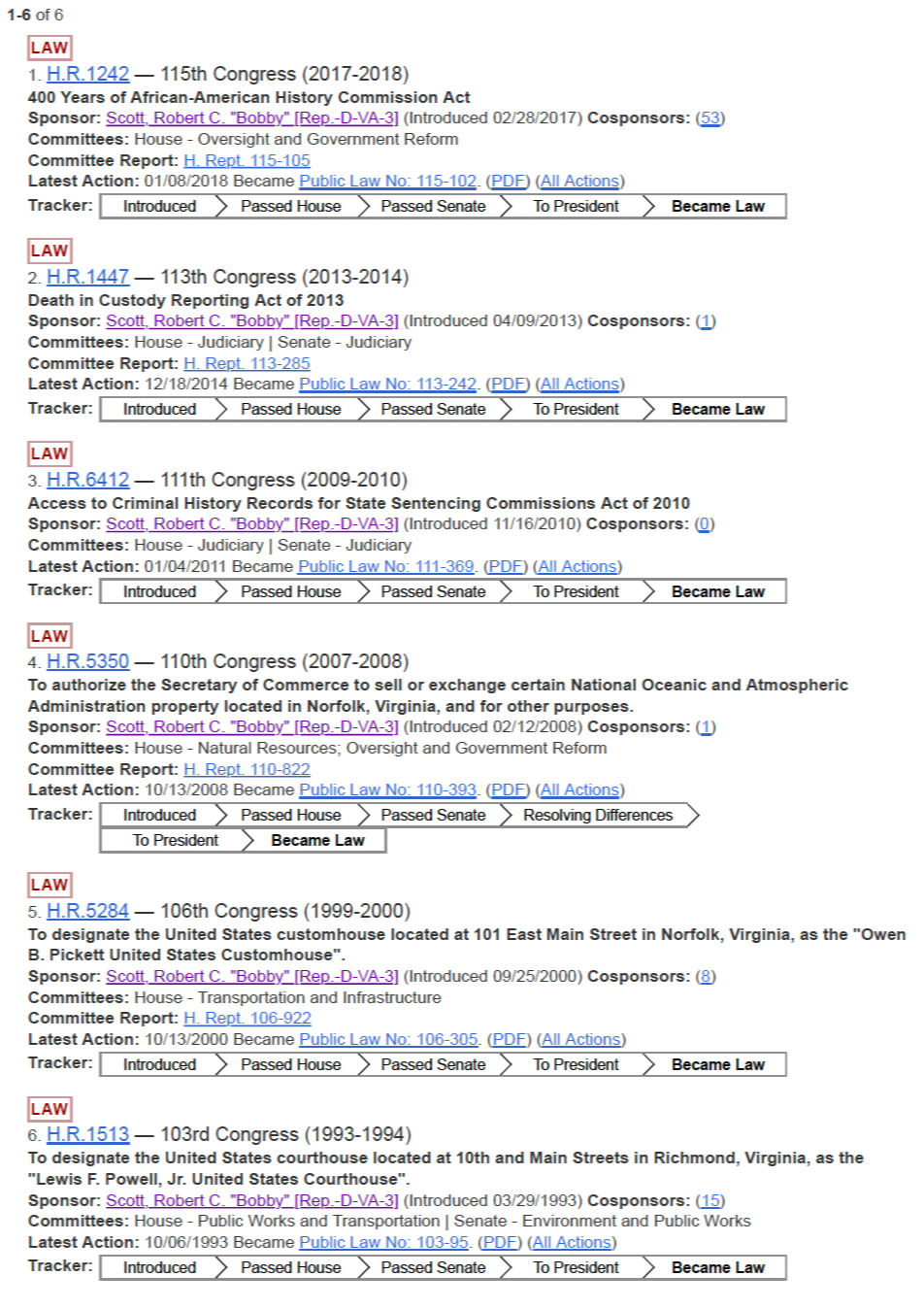
“After 32 years in Congress, Rep. Bobby Scott has only passed six bills into law, two of which were to rename federal buildings.
That’s not the sign of a healthy democracy. That’s the sign of stagnation: one bill into law every 8 years, ignoring the renaming bills, rightfully, as they don’t meaningfully improve American lives.
Show me an average American who can hold a job, or even tries to, on that performance record. Meanwhile, Members of Congress are paid over 2.5 times the wage of the average American.
Mr. Scott is a career politician, dating back to even before 1993. I say: thank you for your service, but time’s up.”
Our Wakeup Call
All of the issues above are failures of accountability… Congress sets the standards for how power is exercised across agencies, courts, hospitals, and financial institutions. When Congress hesitates, ordinary people pay the price.
My campaign is grounded in a simple principle: good government should stabilize people in moments of disruption. Government should be predictable, fair, and present—whether someone is facing a medical emergency, housing shock, legal uncertainty, or sudden economic upheaval.
I didn’t come through a traditional political pipeline. I came through lived experience inside the systems people encounter at their most vulnerable. I’m not running to be loud. I’m running to be effective. This race matters because leadership matters most before crisis becomes catastrophe.